


Meet Owen Waldron, a University of Waterloo student contributing to the integration of new post-quantum signature algorithms into liboqs, and Andrew Younkers, a Cisco software engineer maintaining OQS-SSH. Discover their experiences, the technical challenges they are tackling, and their advice for aspiring contributors.
Outstanding Contributor Profile
Owen Waldron – University of Waterloo
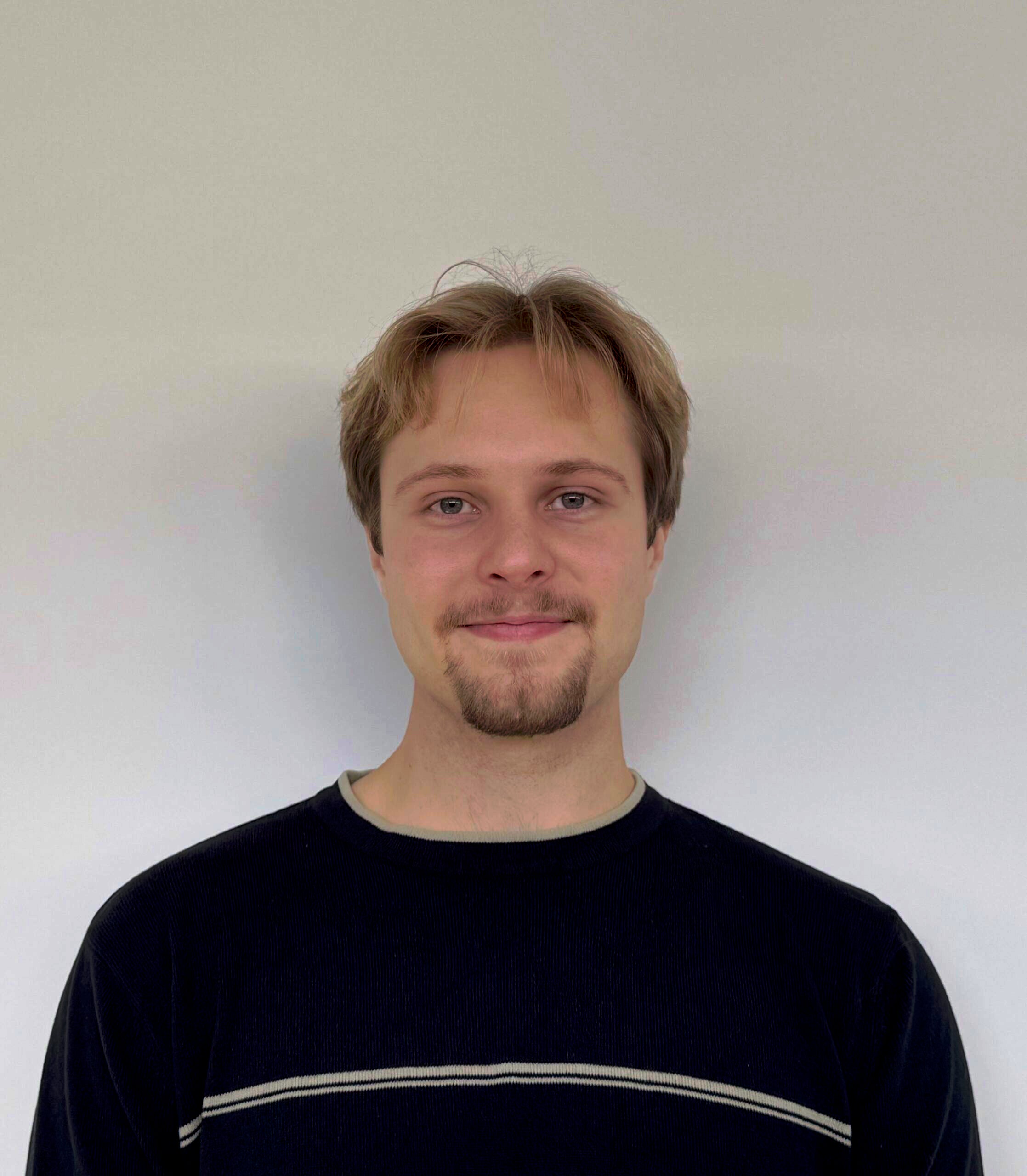
Owen Waldron is a fourth-year computer science student at the University of Waterloo, specializing in AI with a minor in pure math. He is a software developer co-op with the Open Quantum Safe project. Outside of work, he loves rock climbing, rollerblading, and cats.
A brief introduction: Your background and how you got involved with OQS.
My name is Owen Waldron, and I’m a fourth-year computer science student at the University of Waterloo, specializing in artificial intelligence with a minor in pure mathematics. Through several co-op terms as a software developer, I grew increasingly curious about cryptography and eager to help with the post-quantum effort.
I found Open Quantum Safe while looking for a way to get involved, and joined as a software developer co-op this fall. I was lucky that the project has its roots at Waterloo, so I could contribute right on my own campus. So far, it’s been every bit as rewarding as I’d hoped!
Your work: What are you currently working on, and what do you find particularly interesting about it?
My work has focused on helping liboqs onboard new algorithms from NIST’s additional call for post-quantum digital signatures. Most recently, I’ve been integrating the Syndrome Decoding in the Head (SDitH) scheme.
What I find most interesting is the variety among the candidates. NIST’s call aims to diversify post-quantum signatures beyond structured lattices, so that a breakthrough in one area of math doesn’t leave us without practical alternatives. As a result, a wide range of mathematics underpins the different schemes, each with its own tradeoffs between key size, signature size, and speed. It’s been fascinating to see how those tradeoffs work out when bringing the schemes into a common library.
Your experience: What has working on OQS been like, and what have you learned along the way?
Working on OQS has been a great experience. What’s amazed me most is the diversity of skills involved in the post-quantum transition. Whether your specialty is mathematics, high- or low-level software, hardware, communication, project planning, or something else, there’s room for you to make a meaningful contribution.
I’ve also learned a lot about what it takes to get from a research team’s reference code to a library people can rely on: consistent APIs, testing across many platforms, and careful review.
Getting involved: Any advice for students or new contributors interested in participating in open source post-quantum cryptography projects?
My advice for anyone interested in contributing is to get involved with the community! Joining the discussion on open issues in the GitHub repository, particularly those prioritized for the next release, is a great way to learn the state of OQS and find where your skills fit best. The weekly status calls (which you can find on the PQCA calendar) are another great place to start and meet others involved. I look forward to meeting you at the next one!
Outstanding Contributor Profile
Andrew Younkers – Cisco
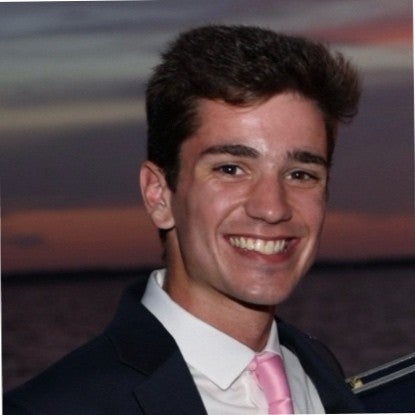
My name is Andrew Younkers. I graduated from North Carolina State University with a Bachelor of Science in Computer Engineering and currently work as a software engineer at Cisco, where I develop and maintain common cryptographic libraries.
A brief introduction: Your background and how you got involved with OQS.
My name is Andrew Younkers. I graduated from North Carolina State University with a Bachelor of Science in Computer Engineering and currently work as a software engineer at Cisco, where I develop and maintain common cryptographic libraries.
I was first exposed to the Open Quantum Safe (OQS) project while testing interoperability with the OQS fork of OpenSSH. OQS provides an invaluable platform for hands-on testing and learning about experimental Post-Quantum Cryptography (PQC) algorithms. This is a critical task as the global shift toward PQC is underway. At the time, this fork was not being actively maintained, so I got involved by uplifting OQS-SSH to the latest supported versions of OpenSSH.
Your work: What are you currently working on, and what do you find particularly interesting about it?
I currently serve as a maintainer for OQS-SSH. My primary focus is ensuring the project remains secure and up to date by keeping it aligned with the latest upstream OpenSSH releases. I am currently working to establish better visibility into the underlying libraries providing the cryptographic implementations for OQS-SSH’s supported algorithms.
The most rewarding work I have done since joining the project was performing interop testing ahead of IETF 126. This involved ensuring that clients and servers could communicate using PQC host keys between OQS-SSH and other open-source or industry SSH implementations. Being involved in that level of successful engagement across the SSH community for the first time myself was inspiring.
Your experience: What has working on OQS been like, and what have you learned along the way?
I have had an amazing experience working on the OQS project. As someone early in my own career, it has been incredibly meaningful to collaborate with leaders at the forefront of this emerging technology. Through discussion threads and pull requests, I’ve been asked questions that challenged my understanding of how a library like OpenSSH interacts with crypto providers to make these algorithms available for users. While I was familiar with using these algorithms in libraries like OpenSSL and OpenSSH, contributing to OQS-SSH has significantly deepened my knowledge of how these algorithms are integrated and how they perform.
Getting involved: Any advice for students or new contributors interested in participating in open source post-quantum cryptography projects?
For students or new contributors, my biggest piece of advice is to join a status check meeting, which you can find on the PQCA calendar, and simply introduce yourself! When I attended my first meeting, I was interested in contributing but felt intimidated by my lack of experience in the PQC world; I quickly learned that didn’t need to be the case at all. The community is incredibly welcoming and open to contributions at all levels. Across the many projects OQS supports, the easiest way to start is to pick up a user story and open a pull request.