

The Post-Quantum Cryptography Alliance Governing Board is responsible for the overall management of the Directed Fund.
Governing Board
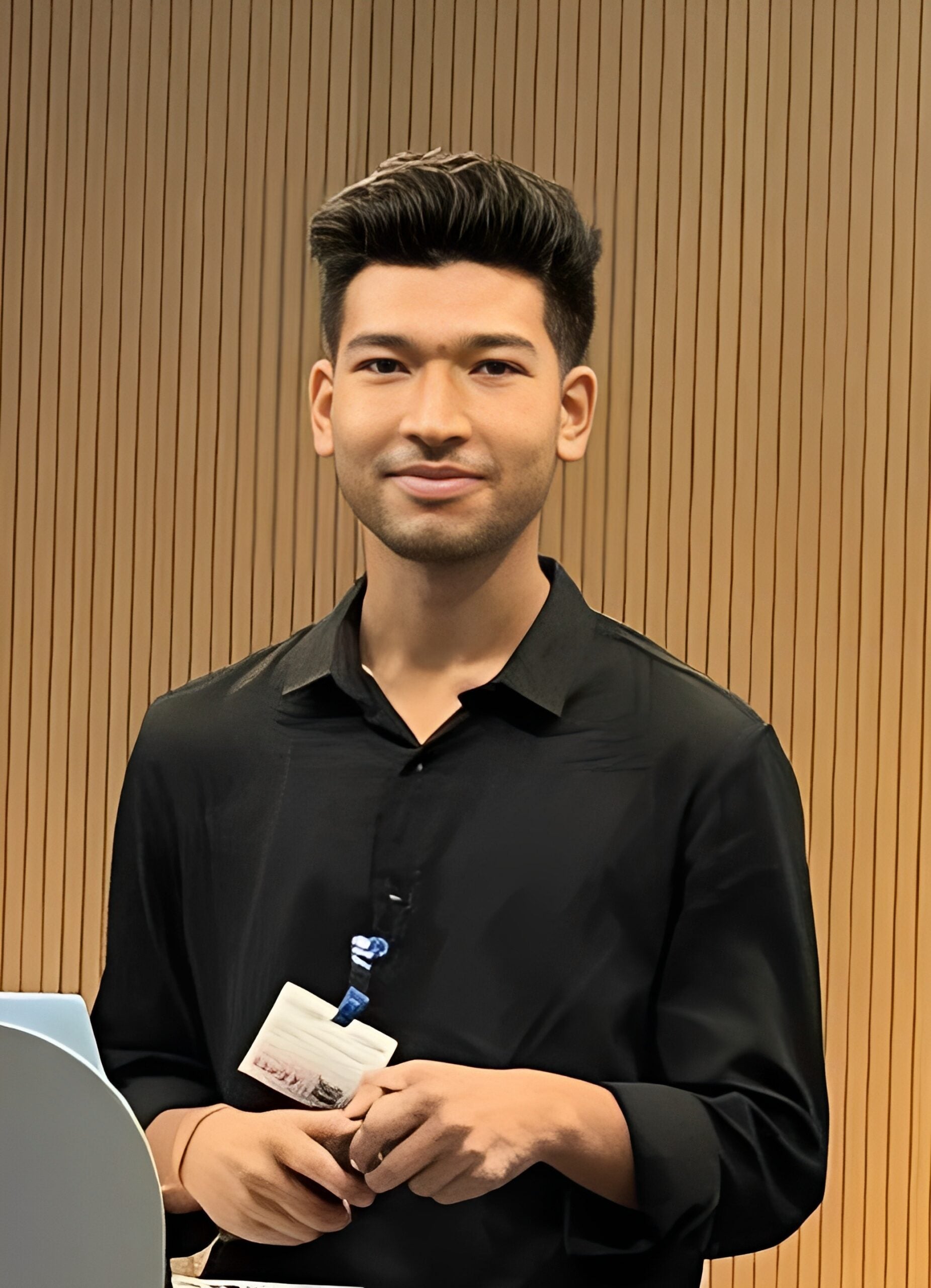
Aditya Koranga
NgKore Foundation
TAC Chair
Aditya Koranga
NgKore Foundation
Aditya Koranga is an expert in Post-Quantum Cryptography (PQC), Telco Security, and cloud-native technologies, currently serving as the chair of the PQCA TAC. He is a co-founder and maintainer of the NgKore Foundation.
Aditya’s expertise spans a range of open-source projects, including liboqs, OpenSSL, cuPQC, oqs-provider, Bouncy Castle, CIRCL, StrongSwan, etc. Along with PQC, his work extends into Quantum Random Number Generators (QRNG) & Quantum Key Distribution (QKD).
Aditya leads open-source communities such as ngKore and Magma India, and drives the integration of PQCA projects into Linux Foundation Networking (LFN) and Linux Foundation Connectivity (LFC) projects, different use cases & domains such as successful integration of Open Quantum Safe + PQ Code Package with Kubernetes Operator, Telecom, O-RAN & eBPF related projects and has releasesd blogs and videos around it. Recently, he has joined the TSC of the PQCA CBOMkit project.
Aditya also focuses on PQC optimization for KEM algorithms, modifying distribution methods, noise sampling, and NTT reduction schemes. He has worked on PQC benchmarking, hardware/software crypto acceleration, and authored several technical blogs, white papers, technical reports, deployment videos and has patents in Post quantum security.
Beyond his technical expertise, Aditya is a writer, poet, and rapper (sometimes, on the weekends) who enjoys reading standards & RFCs before going to bed.
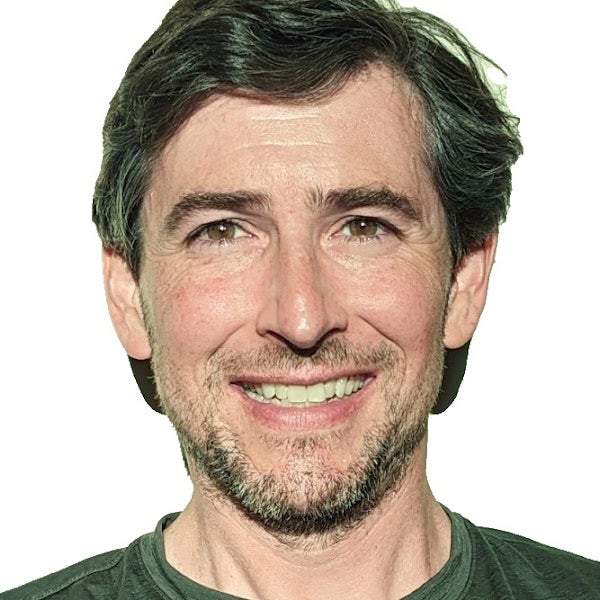
Andy Warner
Premier Member Rep
Andy Warner
Andy Warner is a Group Product Manager at Google, where he focuses on product strategy and technical policy for Google’s Public Key Infrastructures, both internal and external, Google’s Post-Quantum Cryptography (PQC) Transition Program. He focuses on accelerating ecosystem readiness for quantum-safe security, including the development of Merkle Tree Certificates (MTCs), hybrid deployments, and open-source cryptographic standards.
Andy serves as Google’s primary contact for the PQCA and actively collaborates on cryptographic standards in the CA/Browser Forum and other industry bodies. Since joining Google in 2004, his prior roles include managing site reliability teams for Android and mobile, infrastructure management and leading initiatives on global internet access and infrastructure. He holds a bachelor’s degree in computer science from Vanderbilt University and a master’s degree from the Georgia Institute of Technology.
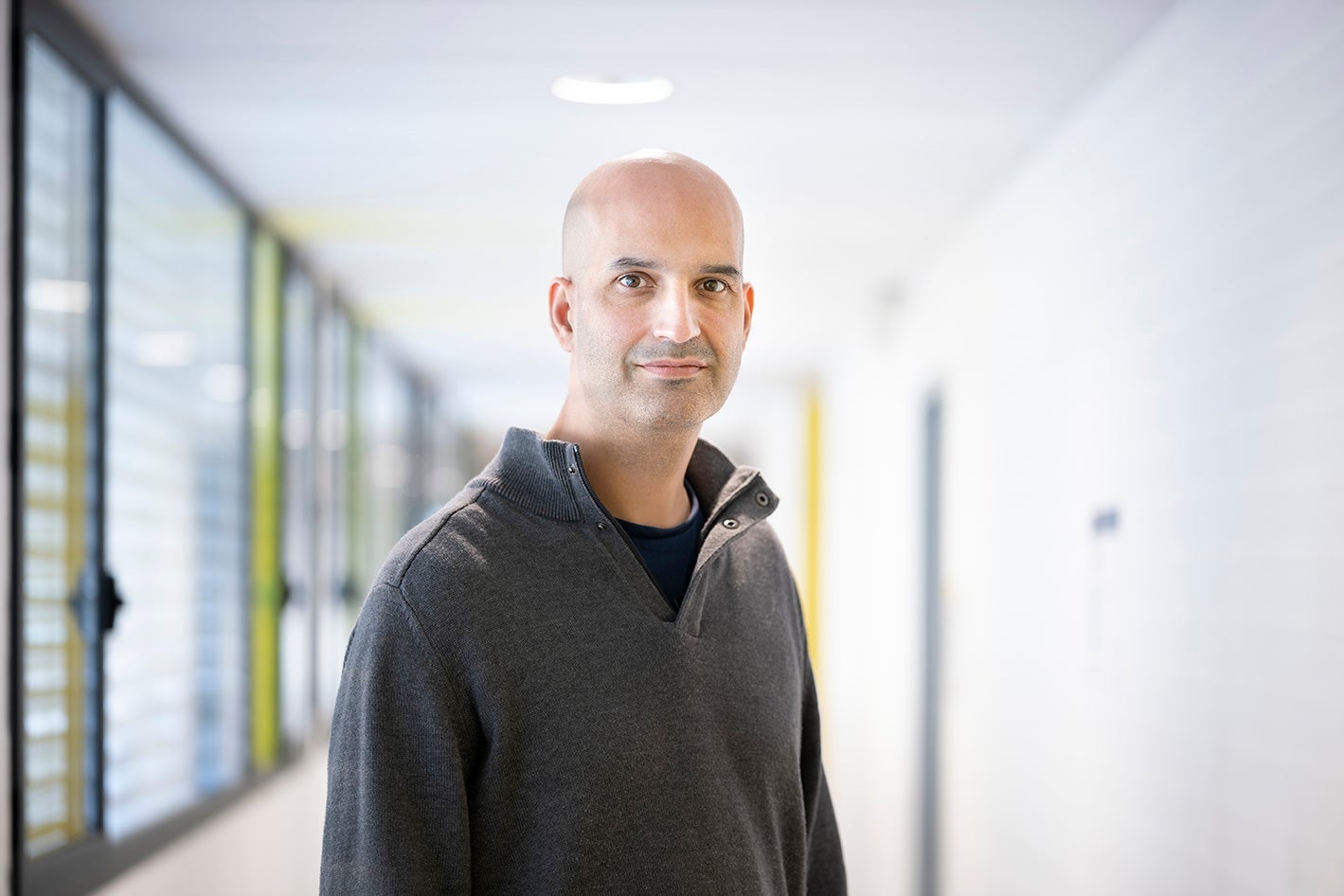
Carlos Aguilar Melchor
SandboxAQ
General Member Rep
Carlos Aguilar Melchor
SandboxAQ
Carlos Aguilar Melchor is the Chief Scientist in Cybersecurity at SandboxAQ. In the past he worked as professor for 15 years and as consultant for multiple private sector actors and international organizations, contributing to a variety of domains such as cryptography, privacy, cyber security, and artificial intelligence. He is co-inventor of one of the NIST PQC candidates selected for standardisation, and the author of more than hundred publications.

Douglas Stebila
University of Waterloo
University of Waterloo Rep
Douglas Stebila
University of Waterloo
Dr. Douglas Stebila is an Associate Professor of cryptography in the Department of Combinatorics & Optimization at the University of Waterloo. His research focuses on improving the security of Internet communications protocols and developing practical quantum-resistant cryptography. He is the co-founder of the Open Quantum Safe project, an open-source software project for prototyping and evaluating quantum-resistant cryptography. He holds an MSc from the University of Oxford and a PhD from the University of Waterloo.

Jeff Johnson
Cisco Systems, Inc.
Premier Member Rep
Jeff Johnson
Cisco Systems, Inc.
Jeff Johnson is a Sr. S/W Engineering Leader at Cisco Systems, Inc. Jeff leads the Common Security Module team within Cisco’s Security and Trust Organization which provides foundational security capabilities across Cisco’s portfolio to reduce risk for Cisco and their customers. Jeff’s passion is creating, developing and producing new technologies from inception to production. During his 24+ years at Cisco Jeff has delivered across Cisco’s technology portfolio including networking, collaboration and security products. Currently, his development teams are responsible for creating and maintaining government certified common software technologies. Primary among these technologies is a common cryptography library. This work has led to his teams being recognized as a finalist in Cisco’s Pioneer Award. Jeff’s teams are now challenged to provide production quality post-quantum cryptography across Cisco’s portfolio.
In his spare time, Jeff enjoys traveling with his wife of 45 years and their 2 dogs. Additionally, Jeff cannot get enough time with his family consisting of 2 daughters and 5 grandchildren. An avid motorcyclist, you can find Jeff riding with friends thru the mountains of North Carolina or attending several motorcycle racing events throughout the year.

Matthew Campagna
Amazon Web Services Inc.
Premier Member Rep
Matthew Campagna
Amazon Web Services Inc.
Matthew Campagna is a Sr. Principal Engineer & Cryptographer for Amazon Web Services Inc.’s. He oversees the design and analysis of cryptographic solutions across AWS. He is a member of the ETSI Security Algorithms Group Experts (SAGE), and Chairman of ETSI TC CYBER’s Quantum Safe Cryptography group. Previously, Matthew managed Certicom/BlackBerry’s Cryptography Research Group and Pitney Bowes Secure Systems research team. He studied Mathematics at Wesleyan University and Fordham University.

Matthias Kannwischer
zeroRISC
Technical Community Representative (GB), PQCP Technical Lead (TAC)
Matthias Kannwischer
zeroRISC
Matthias holds a PhD in applied post-quantum cryptography from Radboud University, completed under the supervision of Peter Schwabe. He is a maintainer of mlkem-native and mldsa-native. He previously maintained PQClean and pqm4. He is a co-submitter of MAYO and UOV to NIST’s additional digital signature competition. He serves as a co-editor of the Cryptology ePrint Archive. He is based in Taipei, Taiwan.

Mike Osborne
IBM
Premier Member Rep
Mike Osborne
IBM
Mike Osborne is based at the IBM Research Centre in Rüschlikon, Switzerland. Currently, he leads the IBM Research strategy for creating cryptographic foundations for the Quantum Era, together with a global role as Lead for IBM Q Security and Encryption. Current activities include overseeing the development of new cryptographic algorithms and protocols, such as the lattice-based algorithms selected as new NIST standards (ML_KEM, ML-DSA). During his tenure at IBM, Michael has led national identity program rollouts and advised national governments on cryptographic strategies.